
Best Captiva Bay Kayak Launch Spots and Routes

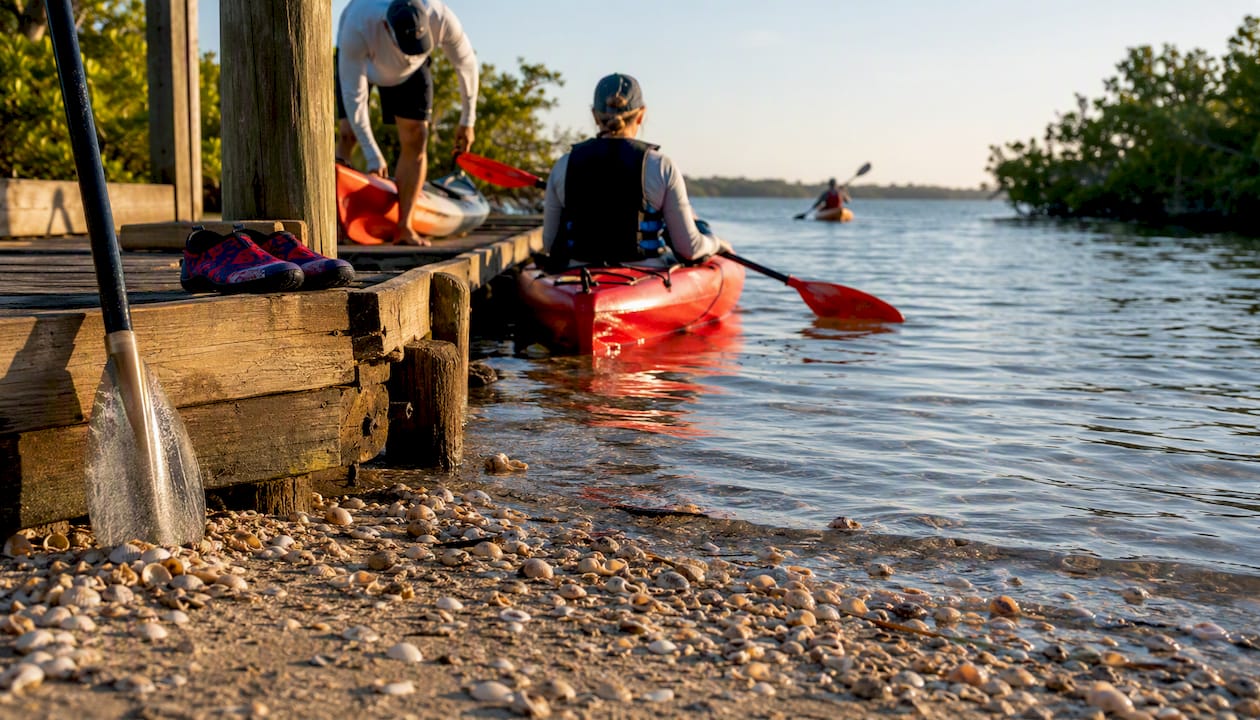
The best Captiva Bay access for paddling comes down to three standout put-ins: Tween Waters Inn / Roosevelt Channel for Buck Key mangrove exploration, Tarpon Bay / J.N. “Ding” Darling National Wildlife Refuge for protected wildlife loops, and the Causeway island beaches for short, sheltered paddles with easy parking. Each serves a different kind of day on the water.
Tween Waters Inn / Roosevelt Channel — Best for accessing Buck Key Preserve, a mangrove sanctuary reached by a short crossing from Captiva. Guided departures operate from here; ideal for intermediate paddlers and anyone wanting a guided first experience.
Tarpon Bay / Ding Darling launch — Best for wildlife viewing and beginner-friendly marked trails within the J.N. “Ding” Darling National Wildlife Refuge. Protected waters, clear trail markers, and refuge oversight make this the calmest, most structured option.
Causeway island beaches — Best for quick, low-commitment paddles with Gulf and bay exposure. Parking is more accessible here than anywhere on Captiva proper, and the shallow flats suit SUP boards and sit-on-top kayaks.
Bowman’s Beach / Blind Pass — Best for experienced paddlers who want open-water access to Pine Island Sound or a scenic Gulf-side launch. Tidal currents at Blind Pass require attention.
If quiet mangroves and wildlife are the goal, start at Tween Waters. If you want an easy marked trail with no navigation guesswork, launch at Tarpon Bay.
Key Takeaways
The best Captiva Bay access for paddling depends on your skill level and goals: Tween Waters for Buck Key, Tarpon Bay for wildlife loops, and the Causeway for easy day paddles.
Point | Details |
Match launch to skill level | Beginners start at Tarpon Bay; intermediate paddlers target Buck Key from Tween Waters. |
Time Buck Key for mid-to-high tide | Low tide exposes oyster flats and can close interior mangrove channels entirely. |
Reserve rentals early | High-season availability is limited; book at least a week ahead from December through April. |
Arrive before 8:00 AM | Public parking on Captiva fills fast; early arrival also gives you calmer morning water. |
Follow refuge rules | Ding Darling enforces wildlife disturbance rules and vessel restrictions in protected zones. |
Table of Contents
What are the best Captiva Bay put-ins for every paddling style?
The Great Calusa Blueway regional paddling network ties these launches together with marked trail segments, making it easier to plan a route without a guide. Here is how each put-in stacks up by use-case.
Tween Waters Inn / Roosevelt Channel
Best for: Buck Key access, guided tours, intermediate paddlers
Access type: Hotel-based launch with guided departures; short beach carry
Tide sensitivity: High — plan for mid-to-high tide to avoid oyster flats on the crossing
Tarpon Bay / Ding Darling
Best for: Beginners, wildlife viewing, marked trail paddling
Access type: Public ramp managed by the refuge
Tide sensitivity: Moderate — the Tarpon Bay loop stays navigable across most of the tidal range
Causeway island beaches
Best for: Casual day paddles, SUP, families
Access type: Public beach launch; no ramp
Tide sensitivity: Low to moderate — open water is forgiving, but shallow flats shift with tide
Bowman’s Beach / Blind Pass
Best for: Experienced paddlers, open Pine Island Sound access
Access type: Public beach; no formal ramp
Tide sensitivity: High — tidal currents at Blind Pass can run strong on the ebb
The Matador Network’s regional paddling guide confirms Buck Key, Ding Darling, and the Causeway islands as the top local paddling destinations, which aligns with what experienced local paddlers consistently recommend.
Detailed launch notes: parking, access, and tide windows
Tween Waters Inn / Roosevelt Channel
Parking at Tween Waters is limited to guests and guided-tour participants. If you are not staying at the inn, drop-off by vehicle is the most practical option — public parking on Captiva is scarce, and the road shoulder fills quickly in high season. The launch is a short beach carry to the water’s edge. No formal ADA ramp exists here, though the beach is relatively flat. Restrooms are available for inn guests. The Roosevelt Channel itself carries moderate boat traffic, so stay close to the mangrove edge and cross to Buck Key during a calm window.
Tarpon Bay / Ding Darling
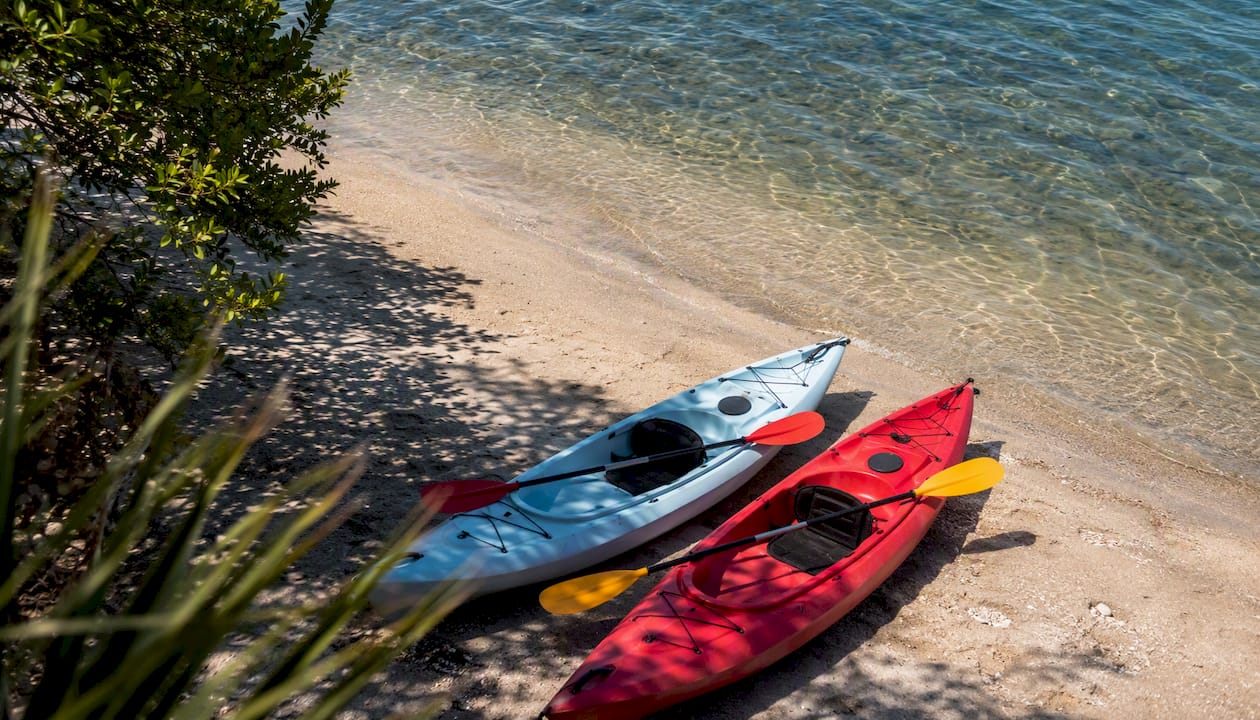
The Tarpon Bay launch is a public ramp with a small parking area. Fees apply for refuge entry; check the refuge website for current rates and hours before you go. Restrooms are available at the Tarpon Bay Explorers facility nearby. The ramp is paved and accessible, making it the most ADA-friendly option in the area. Rentals and guided tours operate from Tarpon Bay Explorers, so you can arrive without your own boat. The Commodore Creek trail departs from here and is clearly marked.
Andy Rosse Lane / Causeway islands
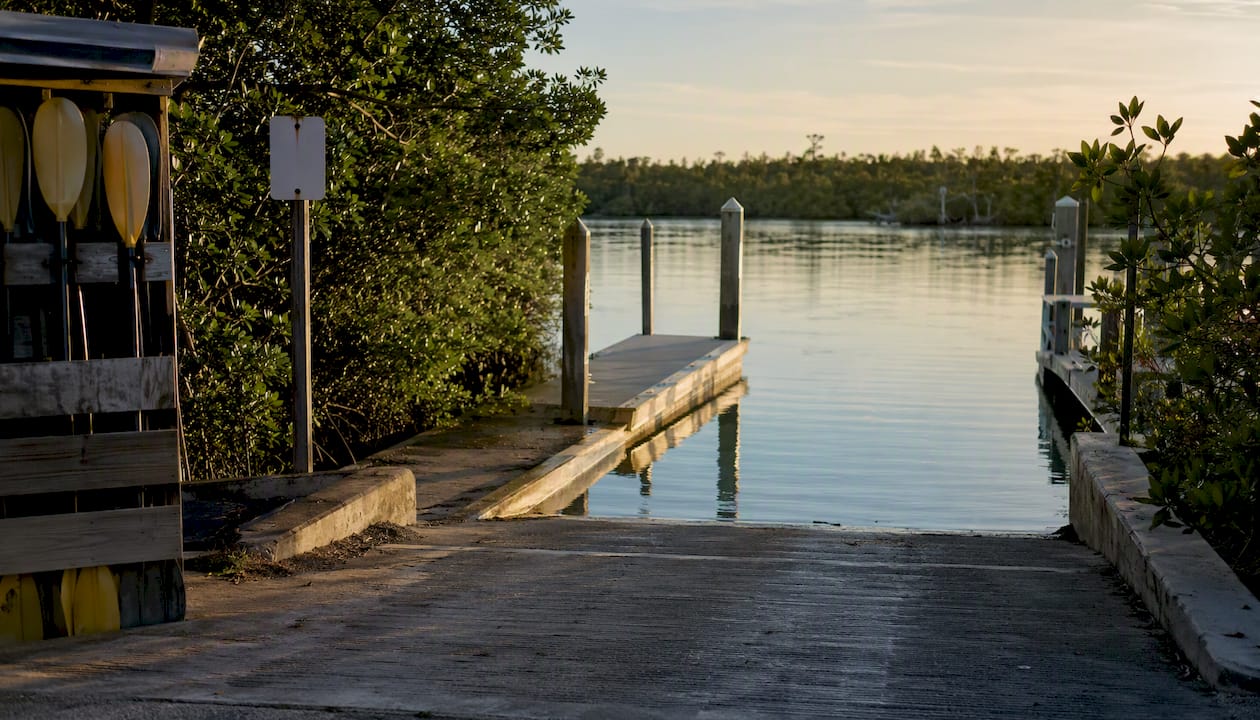
The Causeway islands offer the most accessible public launch on the approach to Captiva. Parking is available in designated lots, and the beach launch requires only a short carry across sand. No restrooms are at the water’s edge, though facilities exist nearby. The open bay exposure here suits paddlers comfortable reading wind and chop. Arrive by 8:00 AM in winter months — lots fill fast on weekends.
Bowman’s Beach / Blind Pass
Bowman’s Beach has a paid parking lot and restroom facilities. The launch is a beach carry with no ramp. Blind Pass sits at the southern tip of Captiva and connects the Gulf to Pine Island Sound; tidal flow through the pass can be strong, particularly on an outgoing tide. This is not a beginner launch. Experienced paddlers use it to access the open sound or to paddle north along the Gulf shoreline.
Pro Tip: Carry reef booties in your dry bag whenever you paddle near Buck Key or Blind Pass. Oyster flats can appear quickly at low tide, and stepping out to drag your boat across exposed shell is far more comfortable with foot protection.
How do tides affect paddling in Captiva Bay?
Tidal timing is the single factor that separates a smooth Buck Key paddle from a frustrating one. At low tide, the narrow mangrove channels inside Buck Key and the flats near Blind Pass can become impassable — exposed oyster beds scrape hulls and make portaging painful without protective footwear. Mid-to-high tide opens the interior passages and gives you the full experience the preserve offers.
A local travel guide notes that high tide unlocks Buck Key’s interior channels while low tide exposes oyster flats that can stop a paddle entirely. Plan your launch window accordingly.
Tide prep checklist:
Check NOAA tide charts for the Captiva/Pine Island Sound station specifically — generalized Fort Myers data can differ by 30 minutes or more from actual conditions at the mangrove passages.
Plan to launch within two hours of high tide for Buck Key paddles. This gives you time to enter the preserve, explore, and exit before water levels drop significantly.
Watch for exposed oyster lines along the shoreline as you approach. If you see bare shell at the water’s edge, the tide is lower than ideal for interior channels.
Have a shallow-water exit plan. Know the nearest open-water route back to your launch if a channel closes behind you.
Bring reef booties regardless of tide level — conditions change faster than forecasts suggest.
Pro Tip: Use the NOAA Tides & Currents tool (tidesandcurrents.noaa.gov) and search for the Pine Island Sound or Captiva station. The local tide apps that pull NOAA data work well, but always cross-reference with the station closest to your specific launch point.
Where can you rent kayaks and join guided tours near Captiva?
The two main departure points for rentals and guided tours are Tarpon Bay Explorers (at the Tarpon Bay / Ding Darling launch) and guided departures from Tween Waters Inn for Buck Key access. Guided departures from Tween Waters simplify the entire Buck Key experience by handling tidal windows and route decisions — a genuine advantage for first-time visitors to the preserve.
Rental checklist before you book:
Confirm boat type: sit-on-top kayaks are more stable for beginners and wildlife photography; sit-in kayaks offer better speed for longer routes.
Ask about lifejacket inclusion — most operators provide them, but confirm fit options for children.
Check shuttle or drop-off service if you plan a one-way route.
Reserve at least a week ahead during the December through April high season. Same-day availability is rare on busy winter weekends.
What a guided tour adds:
A guide reads the tide and chooses the launch window for you.
Route intuition inside Buck Key’s mangrove tunnels is difficult to replicate from a map alone.
Wildlife identification and refuge etiquette guidance come standard on most tours.
For solo paddlers or first-timers, a guide is the most practical safety net available.
Recommended paddle routes by skill level
PaddleFlorida provides the route distances most commonly used by local guides and paddlers. The Great Calusa Blueway marks several of these trails with numbered signage, which helps beginners stay oriented.
Three routes worth knowing:
Commodore Creek (beginner): Marked trail, calm water, and a short distance make this the best first paddle on Captiva. The Great Calusa Blueway signage keeps you on track. Launch from Tarpon Bay and follow the numbered markers.
Buck Key loop (intermediate): A roughly 4-mile loop from Tween Waters that crosses Roosevelt Channel and winds through mangrove tunnels. Currents in the channel and tidal sensitivity inside the preserve mean you need to time this one carefully. The payoff is genuine solitude and wildlife that most visitors never see.
Tarpon Bay loop / Pine Island Sound (advanced): At roughly 8 miles, the full Tarpon Bay loop demands solid paddling fitness and the ability to read open-water conditions. Pine Island Sound crossings add wind and chop exposure. Do not attempt this route without checking the marine forecast and informing someone of your plan.
Safety rules and refuge regulations every paddler should know
The J.N. “Ding” Darling National Wildlife Refuge posts specific rules about permitted vessel access and wildlife protection that apply to all paddlers in the Tarpon Bay area. Motorized vessels face restrictions in certain zones; human-powered craft have broader access but must still respect no-wake areas and wildlife buffer distances.
Required and strongly recommended gear:
Coast Guard-approved lifejacket (required by law for every person on board)
Whistle or audible signaling device
Waterproof phone case with a charged device
Sunscreen, hat, and at least two liters of water per person
Reef booties for oyster-flat areas
Paddle float and bilge pump for open-water routes
Local hazards to plan around:
Boat traffic in Roosevelt Channel runs throughout the day — cross quickly and stay visible.
Oyster beds near Buck Key and Blind Pass become exposed at low tide and can damage hulls and feet.
Shallow shifting bars around the Causeway islands move seasonally; what was clear last year may be flat today.
Afternoon wind on Pine Island Sound builds quickly in summer — plan to be off the open water by noon.
For solo paddles, leave a float plan with someone on shore: your launch point, planned route, expected return time, and the nearest ramp with vehicle access.
Parking, fees, and the best time to arrive
Public parking on Captiva is genuinely limited. The island has no large public lots, and the few available spaces fill by mid-morning on winter weekends. Drop-off by a second driver, bicycle access, or staying within walking distance of your launch are the most reliable solutions.
Launch | Parking | Restrooms | ADA Access | Typical Fee |
Tarpon Bay / Ding Darling | Limited lot | Yes | Yes (paved ramp) | Refuge entry fee |
Tween Waters / Roosevelt Channel | Guests/tour only | Yes (inn) | No formal ramp | N/A (guests/tour) |
Causeway island beaches | Paid lot | Nearby | Beach carry only | Lot fee |
Bowman’s Beach | Paid lot | Yes | Beach carry only | Lot fee |
Arrive before 8:00 AM during high season (December through April) to secure a spot. Morning also gives you the calmest wind conditions and the best light for wildlife photography. Midday arrivals in January and February often find full lots and choppy afternoon water — two problems that compound each other.
Launch etiquette worth following: Keep noise minimal near nesting shorebirds, give manatees a wide berth, and do not approach roosting birds in the refuge. The Ding Darling refuge enforces wildlife disturbance rules, and rangers do patrol by water.
Why a Captiva bayfront rental makes paddling easier
Staying close to your launch point changes the entire rhythm of a paddle day. A bayfront vacation rental on Captiva puts you within minutes of Roosevelt Channel or the Causeway launches, which means no early-morning scramble for parking and no long carry from a distant lot.
Hosts with 30-plus years of local experience, like the team at Captiva-island, can advise on tide windows, point you to the exact put-in that suits your skill level, and connect you with trusted local outfitters. That kind of on-the-ground knowledge is genuinely difficult to replicate from a travel blog. Properties like Sunset Captiva 57 sit close enough to bay access that you can check water conditions from the lanai before you load your boat.
Hosts can recommend the right launch for your group’s experience level.
Bayfront locations reduce carry distance and eliminate parking stress.
Local contacts for rentals and guided tours are often just a host conversation away.
Storage for wet gear, kayaks, and paddles is far easier at a private rental than at a hotel.
Pro Tip: When you book, ask your host directly: “Which put-in is closest to this property, and what’s the tide doing this week?” A good local host will know the answer without checking a website.
What most paddling guides get wrong about Captiva Bay
Most articles about Captiva paddling spend too much time ranking launches by scenery and not enough time on the one variable that actually determines your day: the tide. A beautiful put-in at the wrong tidal window is a frustrating slog through exposed shell and shallow mud. The scenery does not change; the water does.
The conventional advice to “just launch from Tween Waters” is sound, but it skips the critical detail that the Roosevelt Channel crossing to Buck Key requires mid-to-high tide to be genuinely enjoyable. Paddlers who show up at low tide without that knowledge often turn back before reaching the preserve’s interior, which is the whole point of going.
What I’d prioritize above everything else: check the Captiva-specific tide chart before you choose a launch, not after. The difference between a 6:30 AM and a 9:00 AM departure can be the difference between gliding through mangrove tunnels and dragging your boat across oyster beds. Everything else — which kayak, which route, which outfitter — is secondary to that timing decision.
The other thing most guides underplay is how much a bayfront rental simplifies the logistics. When you are staying close to your launch, you can check conditions from your lanai, adjust your departure by 30 minutes without stress, and return for a rinse and a quiet afternoon without fighting traffic. That flexibility is worth more than any gear upgrade.
Sources
Recommended
Comments