
Florida Beach Vacation Deals: Best Practices for Families


The most effective florida beach vacation deals best practices combine early booking, shoulder season timing, smart lodging choices, and full fee awareness into one coordinated plan. Families who treat these as separate tactics leave money on the table. The travelers who consistently find the best beach deals in Florida treat the whole trip as a budget system, not a single transaction. Platforms like Expedia and Airbnb surface the rates, but knowing when to book, where to stay, and what fees to expect is what separates a real deal from a nominal one.
1. Why booking early and timing your trip right unlocks the best Florida beach vacation deals
Booking 3–6 months ahead gives you access to better bundled inventory and pricing that simply disappears as dates approach. Hotels and rental owners release their best rates early, and flight prices follow a similar curve. Waiting until six weeks out, especially for summer or winter peak periods, means paying a premium for whatever is left.
The shoulder seasons are where the real savings live. Late April through May and late September through early November offer warm Gulf water, uncrowded beaches, and rates that can run 20–40% below peak winter pricing. Florida’s winter months, roughly december through march, draw the largest crowds and command the highest rates. Shoulder season gives you nearly the same experience at a fraction of the cost.

Pro Tip: Set price alerts on Google Flights and Kayak for your target travel dates. When fares drop to your threshold, book immediately. Rates for popular Florida routes can shift by $80–$150 per ticket within 48 hours.
Midweek arrivals also help. Flying on a Tuesday or Wednesday and checking in mid-week rather than on a Friday or Saturday can reduce both flight and lodging costs. That small scheduling shift adds up quickly for a family of four.
2. How lodging location shapes your beach getaway savings
Staying slightly inland rather than directly on the beach can cut accommodation costs by 30–50% while keeping you within a short walk or drive of the sand. That is not a minor adjustment. On a week-long trip, that difference can free up several hundred dollars for activities, dining, or a longer stay.
Vacation rentals through platforms like Airbnb or VRBO frequently cost less per night than comparable hotel rooms, and they come with kitchens. A kitchen matters more than it sounds. Preparing breakfast and packing a cooler for the beach eliminates two meals a day from your restaurant budget. For a family of four over seven days, that alone can save $300–$500.
Pro Tip: Always check the total price before confirming any rental. Cleaning fees, service fees, and local taxes can add 25–35% to the nightly rate shown. Compare the final checkout total, not the headline price.
Florida resident discounts add another layer of savings worth knowing. By the Sea Resorts and the Diplomat Beach Resort both offer published Florida resident rates, including 15% off with a Florida ID at check-in and daily resort credits. If you qualify, these discounts are reliable and straightforward to use. Read the eligibility terms carefully before booking to avoid surprises at the front desk.
Here is a quick comparison to help you weigh your options:
Option | Cost | Pros | Cons |
Beachfront hotel | Highest | Direct beach access, amenities | Resort fees, parking charges |
Inland hotel | Moderate | Lower nightly rate | Short drive or walk to beach |
Beachfront vacation rental | High to moderate | Space, privacy, kitchen | Cleaning fees, variable quality |
Inland vacation rental | Lowest | Kitchen, space, cost savings | Less convenient beach access |
For families who want the best of both worlds, a beachfront rental on Captiva Island can offer private access without the resort fee structure that hotels impose.
3. What fees and taxes actually cost you on a Florida beach vacation
Resort fees range from $25 to $50 per night, and parking adds another $20–$40 per night on top of that. These charges are almost never included in the advertised rate. A hotel listing at $180 per night can easily become $260 per night once fees, parking, and taxes are applied.
Florida’s tax structure adds further cost. The state charges a 6% sales tax on most accommodations. Tourist development taxes, also called bed taxes, vary by county and typically run 4–6% on top of that. Combined, you can expect 10–12% in taxes alone on every night you stay.
Taxes and fees can eliminate nominal room rate savings entirely. The only way to compare deals accurately is to calculate the all-in price for every option before booking.
Here is what to check before you confirm any reservation:
Resort fee (daily, often not shown until checkout)
Parking fee (daily, sometimes mandatory even if you don’t use it)
Tourist development tax (varies by county)
Florida state sales tax (6%)
Cleaning fee (vacation rentals)
Service or platform fee (Airbnb, VRBO, Expedia)
The habit of comparing total all-in costs before booking is the single most reliable way to find true value. A property that looks $30 cheaper per night can end up costing more once every line item is counted.
4. Free and low-cost activities that stretch your family’s beach budget
Public beaches offer free sandy access with most costs limited to parking, which typically runs $5–$20 per day depending on location. That is the foundation of an affordable Florida beach day. The beach itself does not charge admission.
The activities that cost the most are the ones you do not plan for. Spontaneous jet ski rentals, paddleboard lessons, and beachside restaurant stops add up fast. Planning your entertainment in advance keeps spending in check without making the trip feel restricted.
Here are five free or near-free activities that work well for families:
Beachcombing and shelling. Captiva Island and Sanibel Island are two of the best shelling destinations in North America. No equipment needed.
Swimming and sandcastle building. The Gulf of Mexico’s calm, warm water is ideal for children of all ages.
Nature trails and state parks. Florida state parks charge a small entry fee, typically $4–$8 per vehicle, and offer trails, wildlife, and waterways.
Local festivals and community events. Many Florida beach towns host free weekly events, outdoor concerts, and farmers markets during the season.
Sunrise and sunset watching. The Gulf Coast produces some of the most vivid sunsets in the country. It costs nothing and never disappoints.
Using a Coastal Access Guide for your target county helps you find public beach access points with restrooms, showers, and parking. Packing your own gear, including chairs, an umbrella, and a cooler, eliminates the $40–$80 per day you would otherwise spend on rentals and convenience food.
5. How to use Florida beach vacation package deals without getting surprised
Package deals typically bundle flights, hotels, and sometimes car rentals into a single price. Meals and activities are almost never included unless the listing explicitly says so. That distinction matters because a package that looks complete often leaves out the two largest daily expenses you will face.
The right way to evaluate a package is to reconstruct the trip component by component. Price the flight separately, then the hotel, then the car rental. If the package comes in lower than the sum of those parts, it is a genuine deal. If it does not, booking separately gives you more flexibility and often better cancellation terms.
A few strategies that consistently improve package value:
Use credit card travel portals like Chase Ultimate Rewards or American Express Travel, which offer additional points or cash back on bundled bookings.
Check AAA and AARP member rates before booking any package. Both organizations negotiate Florida hotel discounts that can beat standard package pricing.
Look for last-minute packages if your travel dates are flexible. Platforms like Expedia and Priceline release discounted inventory within 14 days of departure.
Verify what “all-inclusive” actually covers. Some Florida resort packages use the term loosely and still charge for beach chairs, water sports, and premium dining.
Midweek flights reduce transportation costs significantly. For families, that savings can fund an extra night’s stay or cover a day of paid activities. Combining a midweek flight with a shoulder season booking and an inland rental is the closest thing to a guaranteed savings formula for affordable Florida vacations.
For families considering a vacation rental as part of their package strategy, the family beach house booking guide from Captiva-island covers the specific steps that save money at every stage of the rental process.
Key takeaways
Families who combine timing, location, and cost control consistently find better Florida beach vacation value than those who focus on lodging price alone.
Point | Details |
Book 3–6 months early | Early booking unlocks better rates and more inventory before peak demand sets in. |
Travel in shoulder season | Late April–May and late September–November offer warm weather and lower prices. |
Compare all-in costs | Resort fees, parking, and taxes can add 25–40% to the advertised nightly rate. |
Choose inland lodging | Staying a few blocks from the beach can cut accommodation costs by 30–50%. |
Plan free activities | Public beaches, shelling, trails, and local events keep entertainment costs near zero. |
My honest read on what actually moves the needle
I have watched families plan Florida beach trips the same way for years. They find a low nightly rate, get excited, and book. Then the resort fee shows up. Then the parking charge. Then the tourist tax. By checkout, the “deal” they found costs the same as the property they passed on.
The real skill in finding affordable Florida vacations is not finding the cheapest headline rate. It is building a complete picture of what the trip actually costs before you commit. That means pricing every fee, every tax, every meal, and every activity you plan to do. When you do that math honestly, the best deal often turns out to be a vacation rental a few blocks from the beach with a kitchen and a pool, booked in late October.
Timing is the lever most families underuse. Shoulder season on the Gulf Coast is genuinely beautiful. The water is still warm, the beaches are quieter, and the rates are meaningfully lower. Shifting a trip from late december to late october can save a family of four $800–$1,200 on lodging alone, with no reduction in experience.
The other thing I would tell any family planning this trip: pre-plan your activities. Not because spontaneity is bad, but because unplanned spending at a beach destination is almost always expensive. Know which beaches you want to visit, which state parks you want to walk, and where you plan to eat before you arrive. That preparation keeps the trip relaxed and the budget intact.
— Josh
Plan your Captiva Island stay with Captiva-island
Captiva-island, operated by American Realty of Captiva with over 30 years of local expertise, offers a full range of vacation rentals from private beachfront homes to tranquil inland properties with pools. Families who want the comfort of a full kitchen, the privacy of a home, and the flexibility to choose their level of beach proximity will find options at every price point. Seasonal discounts and direct booking incentives make it worth browsing before you finalize your plans.
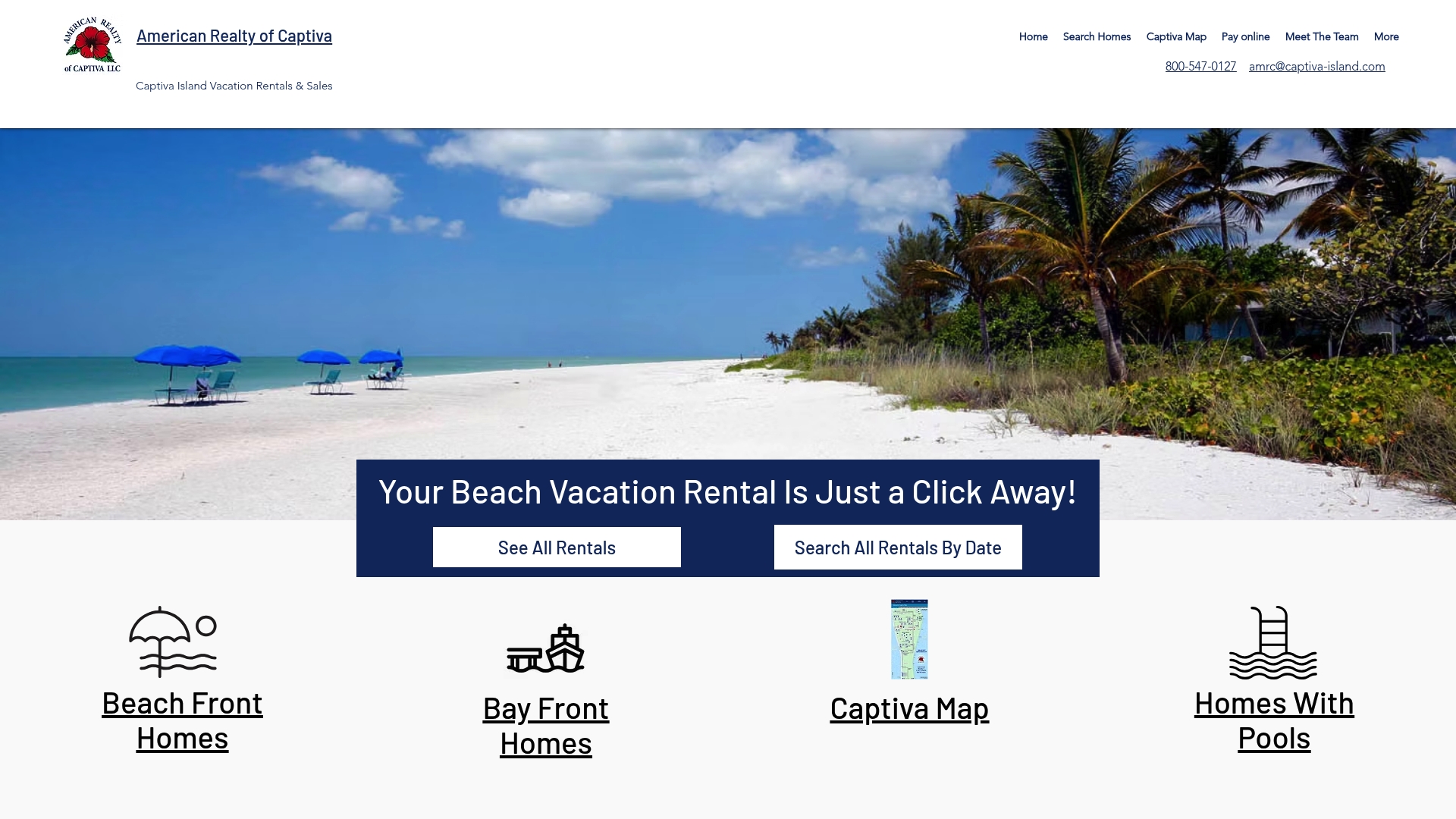
Whether you are drawn to the sound of the Gulf just outside your door or prefer a quieter setting with a private pool a short walk from the sand, Captiva-island has properties that fit both the experience and the budget you are planning for.
FAQ
When is the cheapest time to visit Florida beaches?
The shoulder seasons, late April through May and late September through early November, offer the lowest rates with warm weather and fewer crowds. These windows consistently deliver better pricing than peak winter or summer travel.
How much do resort fees add to a Florida hotel stay?
Resort fees typically run $25–$50 per night, with parking adding another $20–$40. Always request the full itemized cost before booking to avoid surprises at checkout.
Are vacation rentals cheaper than hotels for Florida beach trips?
Vacation rentals are often cheaper per night and include kitchens, which reduce meal costs significantly. For families staying five or more nights, the total savings on food and space typically outweigh any higher cleaning fees.
What free activities are available at Florida public beaches?
Public beach access is free at most Florida locations, with parking fees of $5–$20 per day. Swimming, shelling, beachcombing, nature trails, and local community events cost nothing and are available at nearly every Gulf Coast destination.
Do Florida resident discounts apply to vacation rentals?
Florida resident discounts are most common at hotels and resorts, with properties like By the Sea Resorts offering 15% off with a Florida ID. Vacation rental platforms rarely offer the same structured discount, but direct booking with local providers like Captiva-island can unlock seasonal rates not available on third-party sites.
Recommended
Comments