
Vacation Rental Scams Captiva: How to Spot and Avoid Fraud


If a Captiva listing pressures you to pay outside a reputable booking platform, stop. That single rule prevents the majority of vacation rental fraud, because scammers succeed only when they get you to move money somewhere untraceable. Before you send a deposit for that bayfront cottage or beachfront pool home, run through this quick sequence:
Search the property address online for duplicate listings under different names or prices.
Reverse-image-search the photos to see if they appear on other sites.
Compare the nightly rate to comparable Captiva homes for your exact dates.
Verify the owner or manager through public property records, not just the ad.
If something feels off, call the Lee County Sheriff’s Office to ask about known scam patterns in the area.
The FTC’s data spotlight found $65 million in reported losses tied to rental scams nationally, so this is not a rare inconvenience. If you suspect fraud, file with the FTC or the Internet Crime Complaint Center (IC3) right away.
Key Takeaways
Avoiding vacation rental scams on Captiva comes down to keeping payment traceable, verifying the property independently, and trusting local licensed sources over unverified ads.
Point | Details |
Keep payment on-platform | Never move payment to wire transfer, crypto, or gift cards, no matter the excuse offered. |
Verify before you trust | Reverse-image-search photos and confirm the address on Google Maps before messaging further. |
Compare local pricing | Check the rate against comparable Captiva homes for the same dates and season. |
Act fast if scammed | Contact your bank, the platform, and the Lee County Sheriff’s Office within hours, not days. |
Book with local backup | American Realty of Captiva offers licensed, contract-backed bookings with local support if issues arise. |
Trusted Reporting and Guidance Links for U.S. Travelers
Reportfraud: file a federal consumer fraud complaint.
FTC rental scams guidance: learn common scam patterns and prevention steps.
IC3: report internet-based rental fraud.
Lee County Sheriff’s Office fraud alert: local reporting and current scam warnings.
Table of Contents
Top Red Flags That Usually Mean a Captiva Listing Is Fraudulent
Most Captiva rental scams share a handful of traits, and once you know them, spotting a fake listing gets a lot faster. Watch for:
A price noticeably below comparable Captiva homes for the same week, especially during peak season (February through April) when a legitimate three-bedroom bayfront home rarely dips far under market rate.
A profile with no reviews, a recently created account, or a listing that just appeared with no history.
Pressure to book “today” or “before someone else takes it,” a tactic designed to short-circuit your instinct to verify.
Requests for wire transfers, cryptocurrency, gift cards, or payment apps that offer no buyer protection.
An address that’s vague, slightly altered, or doesn’t match what a map search returns.
Captiva’s rental market has a real seasonal rhythm. Winter and early spring command premium rates, while late summer often brings lower rates as a natural, legitimate dip rather than a red flag. That distinction matters: a $2,200/week bayfront home in August might be fair. The same price in March, for a comparable property, deserves a second look.
Pro Tip: Spend five to ten minutes searching the exact property address plus “vacation rental” before you message the host. If the same photos turn up under a different name, price, or platform, you’ve found your answer.
How to Verify a Captiva Listing and Host Before You Pay
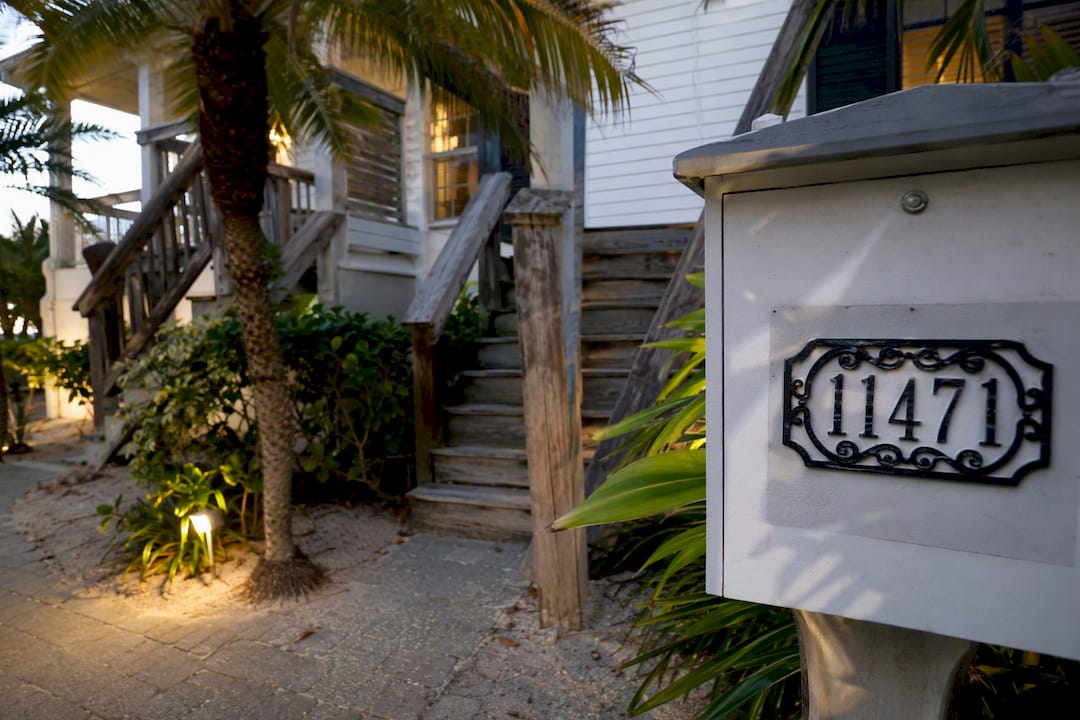
Search the property address first. Type it into Google Maps and switch to Street View. A real Captiva vacation home should match the exterior shown in the photos, sit on a street that exists, and show up in county tax records under a traceable owner name.
Run a reverse-image search on the listing photos using Google Images or TinEye. Scammers frequently lift photos from a real estate sale listing or a legitimate rental elsewhere, and a reverse search often surfaces the original post within seconds, sometimes with a different price or a different city entirely.
Follow these steps in order:
Confirm the address on Google Maps and Street View, checking that the home’s exterior matches the listing photos.
Reverse-image-search each photo to rule out copied or stolen images.
Look up the property in Lee County’s property appraiser or tax records to confirm the owner’s name lines up with who you’re corresponding with.
Check the sender’s email domain and phone number independently rather than trusting whatever’s printed in the ad.
Search for the property directly on the property manager’s official website rather than relying only on links inside the message thread.
Never treat contact information supplied only inside the ad as verified. A scammer controls every detail inside that message, including a fake phone number that “confirms” their own story.
Pro Tip: If a host offers a self-guided or video tour, ask them to show the house number, mailbox, or a nearby landmark on camera in real time. Prerecorded tour footage is one of the easier tricks to fake.
Safe Payment Methods and Which to Avoid When Booking on Captiva
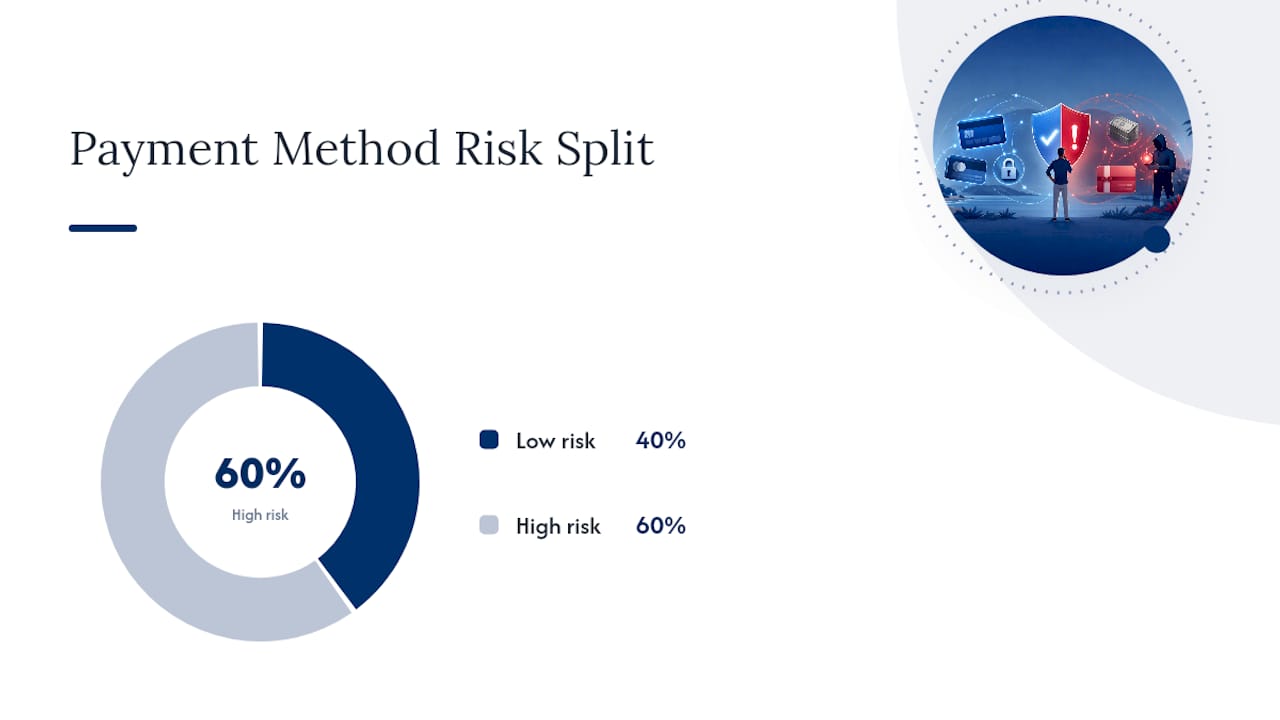
Use a credit card, ACH transfer, or your booking platform’s built-in payment system. These leave a paper trail and, in most cases, give you a path to dispute the charge if something goes wrong. Avoid anything that moves money in a way you can’t reverse.
Payment Method | Risk Level | What to Do |
Platform payment system (Airbnb, Vrbo) | Low | Preferred. Keep all payment inside the platform. |
Credit card or ACH | Low | Traceable and disputable if the rental turns out to be fake. |
Wire transfer | High | Decline. Ask to pay through the platform instead. |
Cryptocurrency | High | Decline. No recovery path if the listing is fraudulent. |
Gift cards | High | Decline immediately. This is a classic scam request. |
Keeping payment inside a reputable platform preserves your fraud protections and creates a documented record of the transaction, which matters enormously if you need to dispute a charge later. The FTC’s $65 million loss figure reflects mostly cases where victims paid through untraceable channels. If you’ve already sent money through one of the high-risk methods above, call your bank or card issuer within hours, not days. Every day that passes reduces your odds of a successful recall.
If You Think You’ve Been Scammed: Reporting and Recovery Steps
Act fast, and act in this order:
Stop any further payments immediately, even if the host asks for a “final” installment.
Call your bank or credit card company to report the charge and request a chargeback or recall.
Document everything: screenshots of the listing, message threads, payment receipts, and timestamps.
Report the listing to the platform where you found it (Airbnb, Vrbo, or wherever it was posted).
Contact the Lee County Sheriff’s Office to file a local report, especially if you traveled to Captiva expecting to check in.
Also file reports with:
Reportfraud to log the incident with the FTC.
IC3 if the scam happened primarily online.
Recovery isn’t guaranteed, especially with wire transfers or crypto. But acting within hours, not days, gives your bank the best shot at reversing the charge before funds disappear.
One-Minute Captiva Pre-Payment Checklist
Before you click “pay,” run through this in about a minute:
Does the address show up correctly on Google Maps and Street View?
Have you reverse-image-searched at least one photo?
Is the price roughly in line with other Captiva homes for your dates?
Is payment staying inside the platform, not moving to wire, crypto, or gift cards?
Can you find this property or manager on an official rental agency website?
Does the host’s story match public property records?
Any “no” means stop and verify further, or ask the booking platform to step in before you send a cent.
Captiva-Specific Resources and Why a Licensed Local Realtor Reduces Risk
A few local resources are worth saving before you book:
Lee County Sheriff’s Office for fraud alerts and local reporting.
Lee County’s property appraiser site for ownership and tax records.
Any county permitting office for short-term rental licensing questions.
A licensed local realtor brings protections that anonymous online listings simply can’t match: verified ownership records tied to a real business license, a written contract spelling out cancellation terms, transparent payment processing, and someone local you can actually call if the air conditioning fails at 9 p.m. on a Friday. American Realty of Captiva has operated on the island for over 30 years, which means every property in its inventory has a documented ownership trail and an accountable local team behind it.
Pro Tip: Ask any host directly whether the property is professionally managed and licensed locally. A legitimate manager will answer without hesitation and can point you to their business listing.
A Local Note on Booking With Confidence
I’ve watched how quickly a great Captiva vacation can turn into a mess when someone skips a five-minute verification step. The island has plenty of trustworthy rentals and real local support if a problem does come up. A little caution upfront buys a lot of peace of mind once you’re actually watching the sunset over the bay.
A Lower-Risk Way to Book Your Captiva Stay
Skipping the guesswork starts with booking through a team that’s already local, licensed, and accountable. American Realty of Captiva keeps payment processing transparent, backs every reservation with a written contract, and puts a real local office behind the property you’re renting, not just a listing and a phone number. If you’d rather browse verified beachfront homes or pool-equipped properties with that kind of backup in place, start there and ask questions before you pay anything. Curious what booking direct actually looks like? Our guide on how to book Captiva rentals direct walks through what to expect, and for general trip planning, this external guide to choosing holiday homes covers similar verification habits worth building into any trip.
Sources
Recommended
Comments