
Kayaking Captiva: Buck Key 4 Mile Loop, Launches, Tides, and Stays

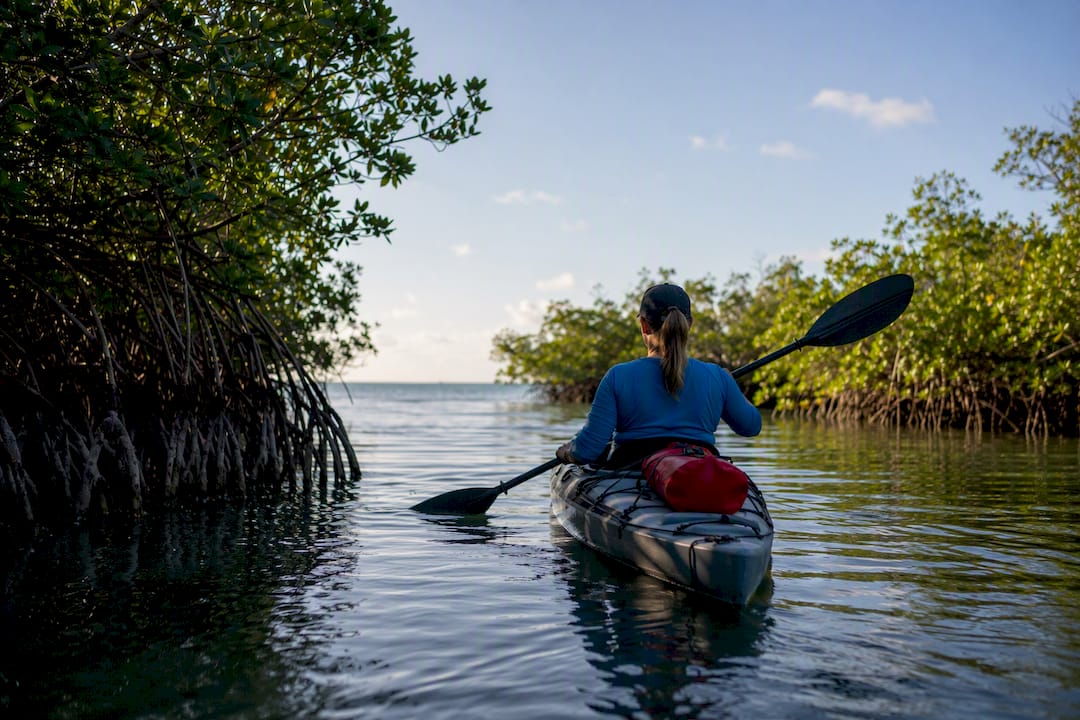
The quickest way to go kayaking on Captiva Island is either a guided Buck Key mangrove tour departing near Tween Waters or a self-guided rental for an hourly or half-day paddle. Tides shape both options, since manatees and dolphins tend to favor deeper channels at high water. Guided tours often sell out in season, so book those ahead; rental availability varies more by provider and day.
TL;DR:
Guided tours generally last a few hours and include interpretation, tide-aware navigation, and wildlife spotting assistance, making them ideal for beginners and families.
Self-guided rentals offer flexibility with options for hourly, half-day, or full-day paddles, suitable for experienced paddlers who can read tides and navigate independently.
The Buck Key loop is the main paddle route, about 4 miles long, with tide conditions dictating accessibility and the best times for weaving into mangroves or exploring oyster beds.
Morning paddles tend to have calmer water and better wildlife sightings, especially manatees, dolphins, and shorebirds, while afternoon winds can make open-water crossings challenging.
Reserve guides at least a few days in advance during high season, and pack essentials such as a personal flotation device, sunscreen, water, and a dry bag for safety and comfort.
Table of Contents
Top Ways to Go Kayaking Captiva Island Offers Right Now
Guided eco tours typically last a couple of hours and wind through Buck Key’s mangrove tunnels with a naturalist guide narrating the wildlife and local history along the way. Adventure Sea Kayak’s tours, which depart from Tween Waters Inn, draw consistently strong traveler reviews for exactly this kind of guided Buck Key experience, with visitors repeatedly noting the wildlife sightings and family-friendly pacing.
Self-guided rentals give you more control over timing. Most outfitters break rentals into simple blocks:
Hourly rentals for a quick paddle around Roosevelt Channel or the shoreline near your launch point.
Half-day rentals for tackling the full Buck Key loop at your own pace.
Full-day rentals for combining Buck Key with a stop at Tarpon Bay or Commodore Creek.
Paddleboard rentals, available at most of the same counters, for calm mornings on flatter water.
Choosing between the two comes down to comfort level. First-timers navigating mangrove channels, families with kids, or anyone who wants the wildlife and history explained in real time generally get more out of a guide. Paddlers who already know how to read tides and want the flexibility to linger somewhere quiet do just fine on their own.
Where Should You Launch, and Which Routes Are Best?
Captiva sits on the Great Calusa Blueway, and a handful of routes account for most of the paddling here.
Buck Key loop. This roughly 4-mile loop through a 350-acre mangrove preserve is the signature Captiva paddle, according to PaddleFlorida’s route mapping. Tides matter here more than almost anywhere else on the island. High water opens the inner channels for weaving deep into the mangroves; low tide exposes oyster beds and narrows what’s paddleable. Budget two to three hours and watch for wading birds tucked into the roots along the edges.
Roosevelt Channel. Most guided Buck Key trips launch and cross here, and it’s the connector between Captiva’s shoreline and the preserve itself. It’s also where Tween Waters Inn & Marina bases its rental fleet and organized tours, making it the most convenient starting point for visitors without their own gear.
Blind Pass and shoreline paddles. The pass between Captiva and North Captiva offers open water with more current and boat traffic. It’s a fine add-on for confident paddlers but not the spot for a first crossing.
Andy Rosse Lane launch. This public beach access point works well for shorter shoreline paddles rather than the open-water crossings that Blind Pass involves. Parking is limited and fills early, so plan for a drop-off if you’re going midday in season.
Resort marinas like Tween Waters offer the smoothest logistics since gear, guides, and parking live in one place. Public launches such as Andy Rosse Lane save money but require checking parking and access notes ahead of time.
Guided Tours or Rental: Which Fits Your Trip?
Guided Buck Key tours generally run a few hours and include a guide, safety briefing, and running commentary on the mangroves and wildlife. Self-guided rentals price by the hour or by the day and hand you the kayak with a basic briefing and a waiver to sign.
What each option actually gets you:
Guides add interpretation of the mangrove ecosystem, tide-aware route planning, and hands-on help if you’re new to a kayak.
Renters get flexibility to set their own pace and stop wherever the light or the birds look good.
Photographers often prefer rentals for the freedom to linger, though a guide can put you in the right spot at the right tide.
Families with young kids tend to do better with a guide managing pace and safety.
A guide is worth the extra cost for first-time paddlers in the mangroves, for anyone unsure how to read a tide chart, or for families who want the wildlife pointed out rather than missed. Experienced paddlers with flexible schedules usually do fine renting and mapping their own route.
Planning Around Tides, Wind, and Local Rules
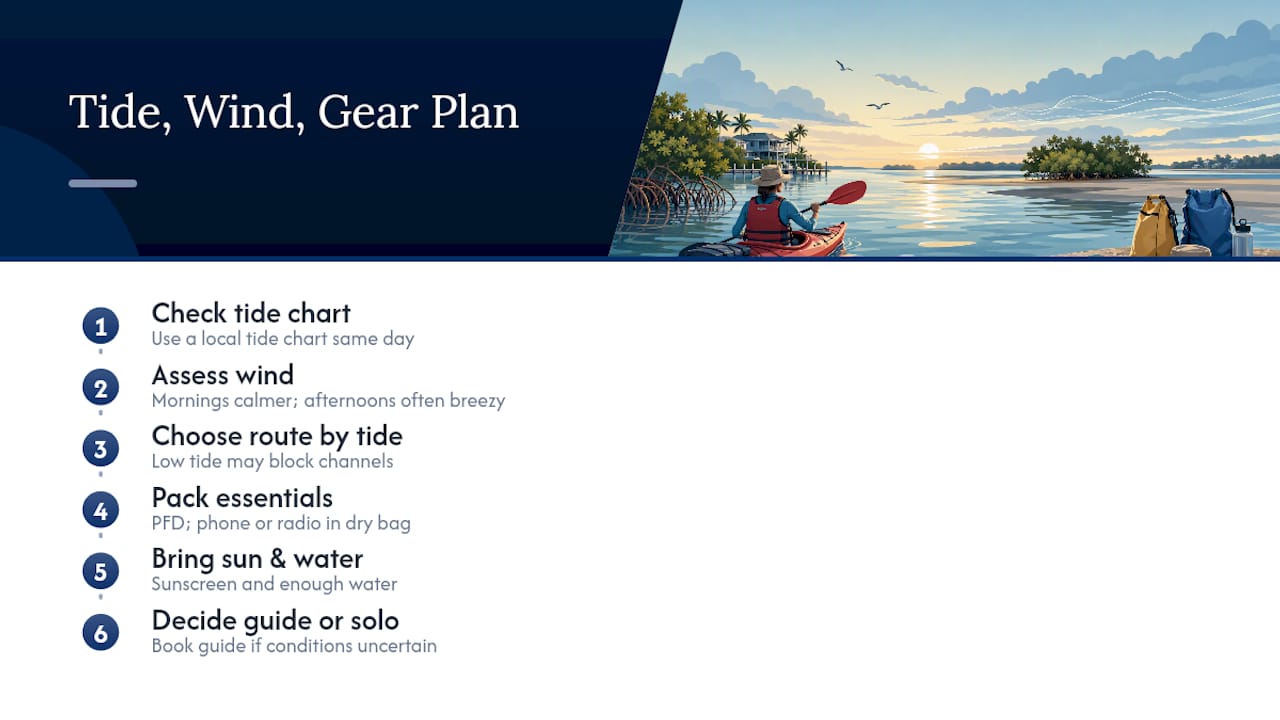
Tides control more than comfort here, they control access. At low tide, oyster beds around Buck Key can block narrow channels entirely, while high tide opens the mangroves for deeper exploration, a pattern multiple destination guides confirm. Check a local tide chart before you launch, not the night before your trip.
Wind is the other variable. Mornings on Captiva tend to run calmer, and afternoon breezes can turn a manageable Roosevelt Channel crossing into a slog for a less experienced paddler. If you’re new to open water, skip cross-channel paddles once the wind picks up.
Bring the basics every time: a properly fitted PFD, a phone or radio in a dry bag, sunscreen, and enough water for longer routes. Protected habitats around Buck Key and the nearby Ding Darling refuge ask paddlers to keep distance from nesting birds and stay off exposed sandbars during certain seasons.
Pro Tip: If you’re unsure how a tide will affect the Buck Key channels, book a guided trip instead of guessing. A local guide already knows whether today’s water lets you weave deep into the mangroves or keeps you closer to the main channel.
What Wildlife Will You Actually See?
Manatees and dolphins show up regularly in the deeper channels around Roosevelt Channel and Buck Key, especially on a rising tide when they follow baitfish into the mangroves. Wading birds, ospreys, and the occasional otter are more common along the shallow mangrove edges than out in open water.
Morning paddles tend to produce the best sightings, since wildlife activity picks up before the day’s boat traffic and heat set in. Expect the experience described across most Captiva tour listings: calm water, Old Florida scenery, and an emphasis on quiet observation rather than fast paddling.
Manatees and dolphins in deeper channels, especially near high tide.
Wading birds and shorebirds tucked into mangrove roots.
Ospreys overhead and, occasionally, otters near quieter creek mouths.
Keep a respectful distance from any manatee or dolphin you spot, and never chase wildlife for a closer photo. The preserve’s appeal depends on paddlers keeping it undisturbed.
Booking Your Trip and What to Pack
Reserve guided tours a few days ahead in high season, especially for sunset slots and weekends, since cancellation policies tend to tighten closer to departure. Rentals are usually more forgiving, but calling ahead still saves you a wasted trip to the marina counter.
Pack light but don’t skip the essentials:
PFD (most outfitters provide one, but confirm before you book).
Hat, reef-safe sunscreen, and enough water for two to three hours.
A dry bag for your phone and keys, plus water shoes for beaching the kayak.
Morning trips offer calmer water for the full Buck Key loop; afternoon paddles suit shorter shoreline routes near Andy Rosse Lane. For a deeper look at specific access points, Captiva-island’s launch guide breaks down the bay-side options in more detail.
A Local Host’s Take on Paddling Captiva
American Realty of Captiva has guided guests through this island for more than 30 years, and the advice that holds up trip after trip is simple: paddle Buck Key in the morning, eat lunch in the village, then spend the afternoon on the beach or hunting shells. Guests staying bayfront usually reach Roosevelt Channel launches faster than those on the beach side, which matters if you’re chasing an early tide.
— Josh
Stay Steps From the Water You’ll Be Paddling
A bayfront rental near Roosevelt Channel cuts your morning down to a few minutes instead of a drive across the island, and most come with the covered storage a kayak or paddleboard actually needs overnight; explore Captiva Island Vacation Rentals | Beachfront Homes & Condos to find options close to the water you’ll be paddling.

Captiva-island’s beachfront and bayfront rentals put you closer to the launches this guide covers, whether that’s Roosevelt Channel for Buck Key or the shoreline near Andy Rosse Lane. Lodging here is just that. Coordinate your kayak rental or guided tour separately with outfitters like Tween Waters or Adventure Sea Kayak once your stay is booked. Check current availability and seasonal offers on Captiva-island’s rentals page to lock in a home base before your paddling dates fill up.
Sources
For tide charts, refuge rules, and route maps, see the J.N. “Ding” Darling National Wildlife Refuge and the Sanibel Captiva paddling guide.
Recommended
Comments